Current Light Flashes
The official voice of West Florida Electric Cooperative:
The Heat Is On: What Drives Your Summer Electric Bill
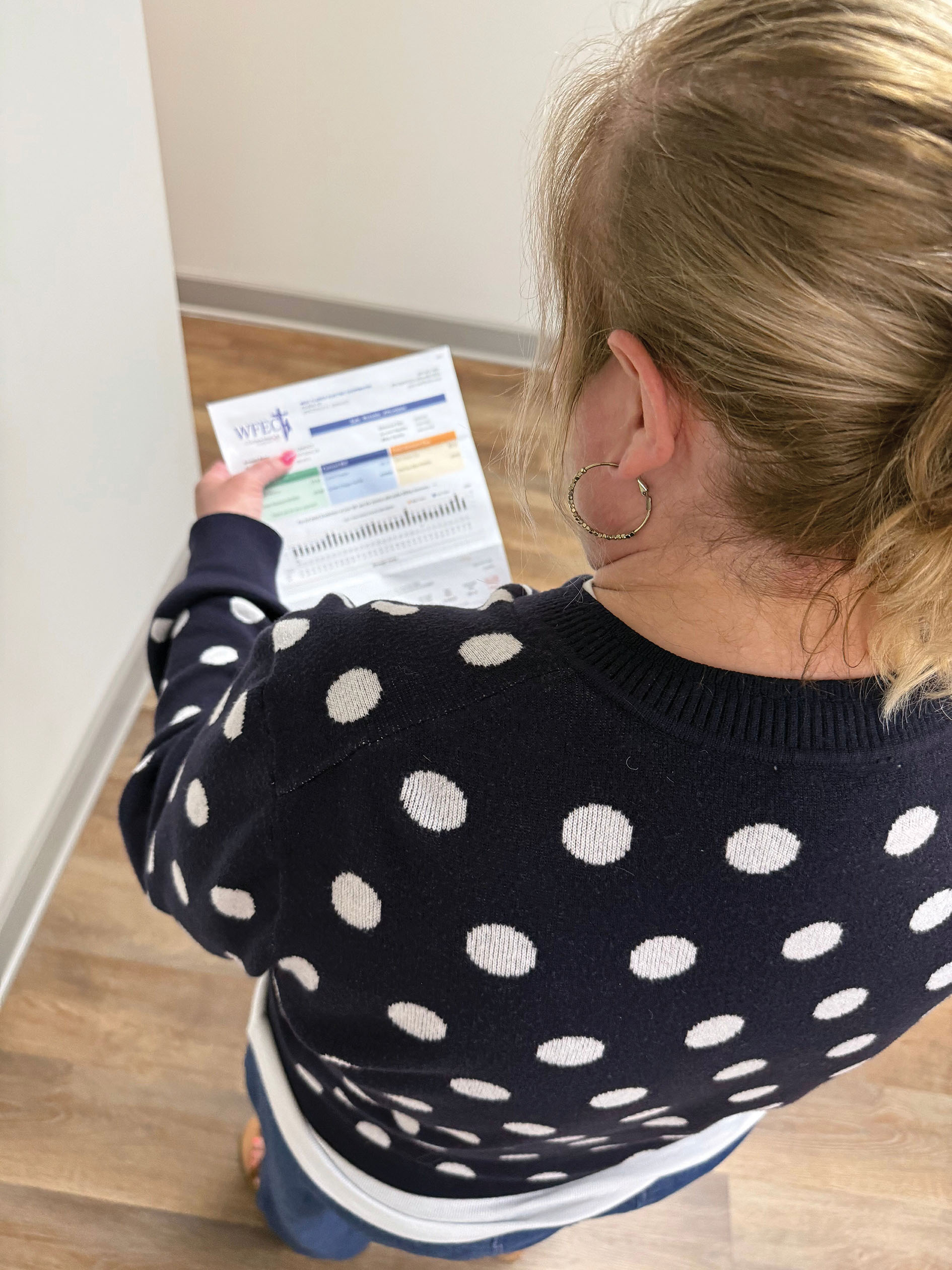
August is one of the hottest months of the year, and that means air conditioners across West Florida Electric Cooperative’s (WFEC) service area are working overtime to keep homes comfortable. During periods of extreme heat, many members notice an increase in their electric bill and wonder what contributes to higher costs. 115030001
During summer months, air conditioning is the largest driver of increased energy use. As temperatures climb and heat index values exceed 100 degrees, cooling systems run longer and more often to keep homes comfortable.
Although many people don’t realize it, everyday habits can significantly impact how much electricity a household uses. Even if your routine stays the same, bills may increase because cooling systems have to work harder to offset higher outdoor temperatures. Small changes can help reduce that workload.
Keeping thermostats at the recommended setting of 78 degrees helps balance comfort and efficiency. Raising the temperature by just one degree can reduce cooling costs by 3% to 5%, while increasing the setting by seven degrees when you’re away can save 10% to 15% annually.
Simple habits can help reduce energy use without sacrificing comfort. Keep blinds or curtains closed on sunny windows, use ceiling fans so you can raise the thermostat a few more degrees, and run ovens, dishwashers, and clothes dryers during the cooler morning or evening hours. Regularly replacing air filters and keeping outdoor units free of debris also helps your heat pump run more efficiently.
Understanding what drives summer energy use can help keep your home comfortable while controlling costs. Although hot weather naturally increases cooling demand, implementing smart thermostat settings and simple energy-saving habits can reduce unnecessary electricity use, ease the strain on your cooling system, and help keep your summer electric bills lower.